

Jump to:
Keynote
In prAIse of Skepticism
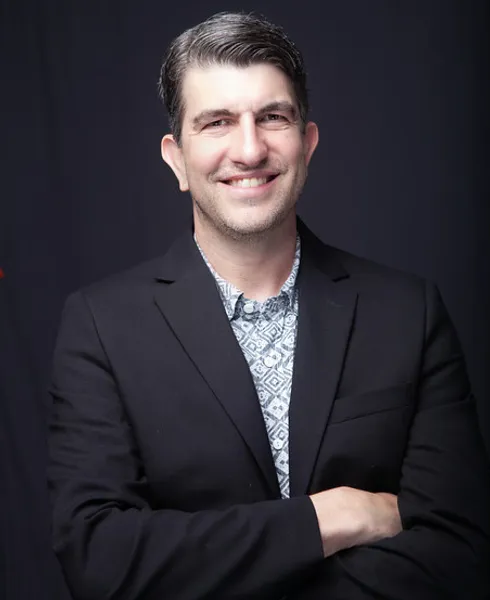
Speakers: Damian Synadinos
Overview: Everything starts with trust. It influences our personal and professional relationships, leadership abilities, innovation, collaboration, business stability, and much more. Misplaced trust—trusting the wrong amount, at the wrong time, or the wrong person—can have significant negative consequences, often stemming from false information.
In today’s fast-paced world, we are inundated with information, including a lot of bad information. But how can we recognize and avoid it? And how can we determine when and how much trust is appropriate? With healthy skepticism!
Skepticism is often misunderstood as disbelief or cynicism, but it’s actually a neutral stance that suspends belief until justified evidence is available. Healthy skepticism helps us distinguish between good and bad information and build or restore trust.
Developing healthy skepticism involves fact-checking, being aware of biases, asking good questions, and more. This is especially relevant with the rise of Artificial Intelligence, a powerful yet complex technology. Understanding AI and applying healthy skepticism can help us use it effectively and safely.
Join me as I explore trust, promote healthy skepticism, offer ways to develop a skeptical mindset, and show how these ideas apply to AI and other contexts by providing practical tips to better navigate our world.
Bio: For over 30 years, Damian Synadinos helped “build better software & build software better” through testing. Now, through his company Ineffable Solutions, he helps “build better people”. As a full-time public speaker, he delivers entertaining and educational keynotes, talks, & training focused on people, based on experience, & supplemented with research. He also helped organize the “QA or the Highway” testing conference (QAortheHighway.com), performs & teaches improv, authored & illustrated a children’s book (HankAndStellaBooks.com), substitute teaches, and draws strangers for fun (IDrawStrangers.com).
AI & Tools Track
More with less – using test selection to run the right automated tests

Speaker: Mike Boos
Overview: Requiring automated tests to pass before code changes can be merged can help prevent costly breakages to the main build. However, running many tests also carries computational costs and can slow the pace of development through long wait times and flaky tests blocking merges. As your codebase and your engineering organization grow, both the number of tests that can be run and the risks each change introduces can skyrocket.
Test selection is where we try to intelligently choose a subset of all of our tests to run before code can be submitted into the main queue to try to keep these risks and costs under control. This can range from simple and even arbitrary heuristics, to machine learning-driven systems that try to predict the likelihood of a particular test failing given the files being changed.
I’ll be walking you through the process I took when designing a new test selection system, including the constraints, opportunities, and trade-offs considered along the way, how we evaluated the efficacy of the system, how it’s evolved to meet new needs, and what I might have done differently had I the time to start again from scratch.
What you’ll gain is a starting point for assessing your needs in a test selection system and some possible approaches you might take in designing or procuring your own.
Bio: Mike is a staff software engineer on the Platform Productivity team at Faire, and has 12+ years’ experience in software and test engineering. He designed and built a test selection system for determining which end-to-end tests should be run in presubmit against backend code changes, saving 40% in execution costs and improving the relevance of the testing signal. He’s currently enabling engineering teams to measure the cost and impact of their automated tests and improving Faire’s test distribution service.
Prior to Faire, Mike developed test frameworks for real and virtual mobile-to-smart-home-device testing at Google Nest and tested engineering multiphysics simulation software at Ansys.
AI Assisted Testing – Are We There Yet?

Speaker: Rob Bowyer
Overview: Claiming that there has been a lot of hype about AI over the past year would probably be an understatement at best. And while the tools being delivered hold a lot of promise, it’s often speculated whether they live up to the hype.
In this session, we’ll look at some of the ways that current LLM tools, such as CoPilot and Gemini, and of course ChatGPT, can be used to aid our testing. We’ll look at a few tasks such as generating test data, creating UI automated tests, and even assisting with generating a release recommendation email.
Through all of this hopefully we will come to a conclusion as to if we are indeed there yet.
Bio: Prior to teaching at Conestoga College, Rob worked for over 20 years in the software industry – primarily as a tester and test team manager. He has worked in a variety of domains including healthcare, mobile, municipal and education. In his current role as a teacher at Conestoga, his focus is on teaching budding software developers on testing, testing techniques and ways programmers can deliver quality software.
Become a performance test master
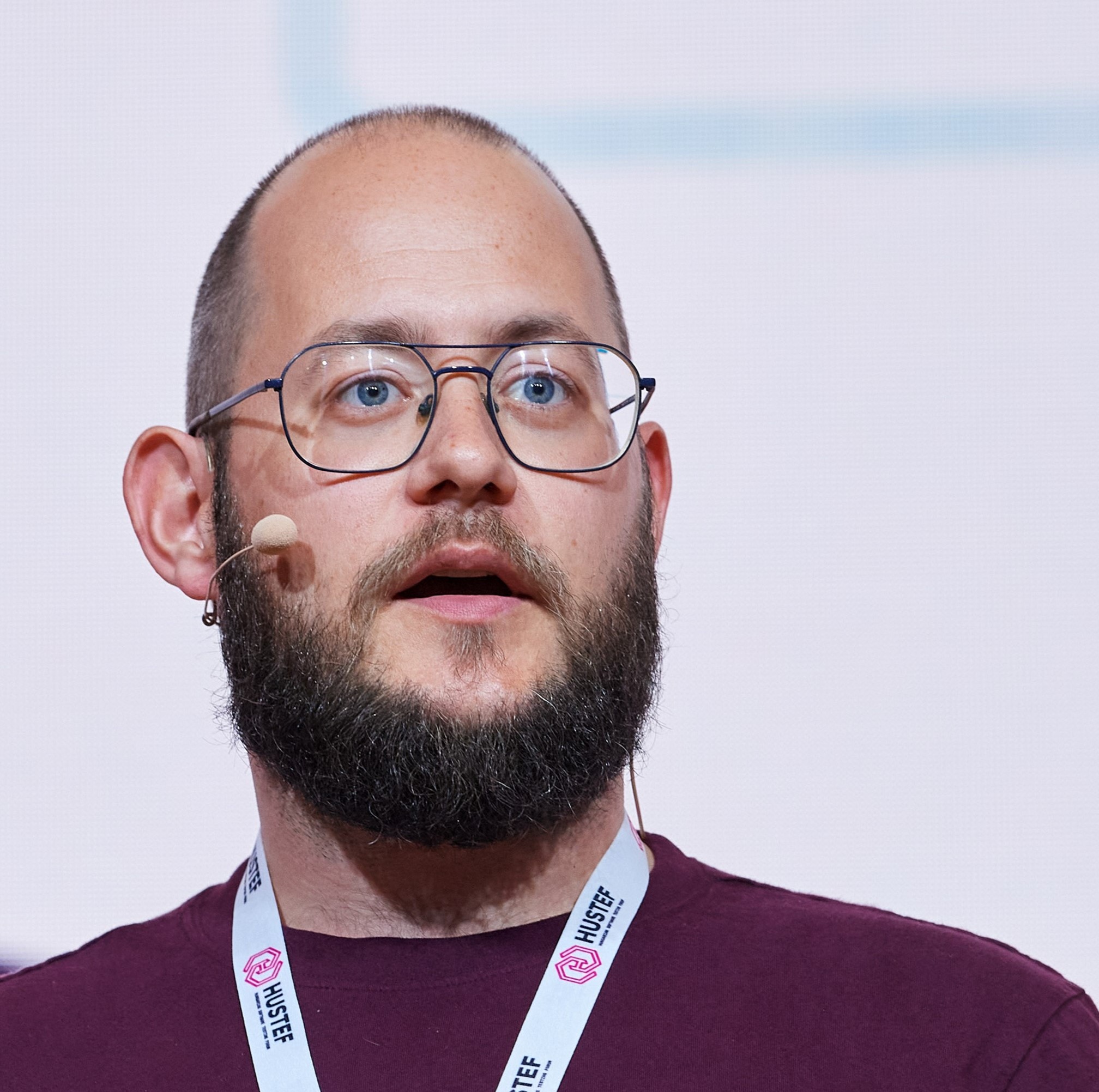
Speaker: Martijn Goossens
Overview: Stress tests, load tests, spike tests, soak tests. Martijn has done them all, from setting up the test scripts to reporting the results and findings. While there is plenty of documentation around the technical side, in this talk Martijn will share with you his takeaways on running a successful test and analyzing the results.
There wouldn’t be good results without a good test plan, so in this talk, we will start and look at how to set up a proper performance test for a web application. A recipe that, when followed, will give you pretty results to dive into. As somewhat of a performance test expert, Martijn finds that there are a few recurring signals he looks out for in performance test results: throughput, response time, and error rate. He will explain each of these key indicators and give you the tools to spot a server in trouble and when it might be OK to end a test prematurely. After we’ve discussed the indicators, we will look at three real-life scenarios and check if you can spot the details when we analyze them together.
Bio: Martijn has over 17 years of experience in the QA field. He started as an Agile QA automation engineer and has fulfilled various QA leadership roles for the past 8 years. Martijn is ISTQB and TMAP certified and is a frequent participant in QA meetups and conferences. In recent years he found the international conference stages where he is keen to share his experiences from the trenches. Follow his journey on LinkedIn.
The problems that arise when focusing on predictability instead of variability

Speaker: Joel Tosi
Overview:
Many organizations want more predictability – When will it be done? When we can’t answer that question, plans become larger – more initiatives, more work in flight.
In this session we will start off looking at the value stream and what variability means when, along with the cost.
We will then explore examples of variability in the right side (dev / test / operations) of the value stream and how that becomes a negatively reinforcing loop.
We end this sessions with simple ways to start capturing the cost of variability and ideas to start addressing it.
Bio: Co-Author of ‘Coaching for Learning; the Art and Practice’ and ‘Create Your Dojo; Upskilling Your Organization for Digital Evolution,’ Joel helps organizations evolve through learning. This combines a blend of XP, agile, lean, devops and product thinking practices all to embrace learning in the context of work.
Lean Coffee: Topics in AI

Facilitator: KWSQA Board
Overview: Join in a Lean Coffee style meeting, discussing all things AI in the world of software and software testing! Lean Coffee is a structured discussion technique where participants propose and then vote on topics to cover. There is no agenda defined in advance. This is a great way to connect and interact with your fellow software quality enthusiasts!.
Automation Track
Path to Becoming a High-Value Test Automation Engineer
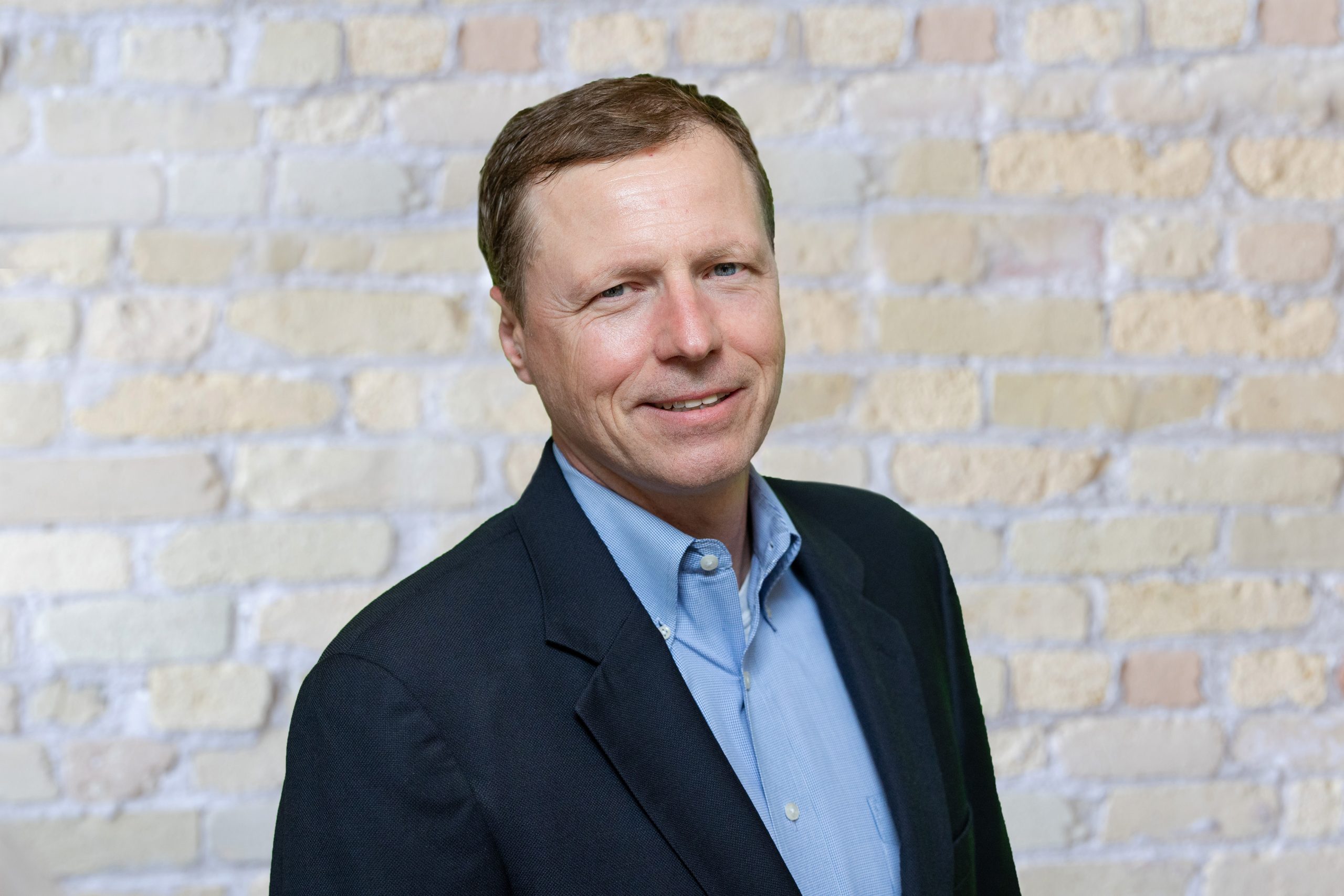
Speaker: Lee Barnes
Overview: So… you want to become a Test Automation Engineer (or hire and develop one)? While there’s quite a bit of information available about important technical and tool skills to master, there’s not enough discussion around the path to becoming an effective Test Automation Engineer that knows how to add VALUE. In my experience this had led to a proliferation of engineers who are proficient with tools and building frameworks but have skill and knowledge gaps, especially in software testing, that reduce the value they deliver with test automation.
In this talk, Lee will share his lessons learned from over 30 years of working with, and mentoring, hundreds of Test Automation Engineers. Whether you’re looking to get started in test automation or just want to improve your trade, this talk will give you a solid foundation and roadmap for ensuring your test automation efforts continuously add value. This talk is equally valuable for both aspiring Test Automation Engineers and those managing them! All attendees will take away a set of key foundational knowledge and a high-level learning path for leveling up test automation skills and ensuring they add value to their organizations.
Bio: Lee has over 30 years of experience in the Software Quality Assurance and Testing field. He has been involved in the implementation of test automation and performance testing solutions in hundreds of environments across a wide array of industries. Most recently, Lee has been involved with bringing quality practices (with a focus on automation and performance) to agile and DevOps teams.
Lee speaks regularly at industry conferences including StarEAST/WEST, DevOpsDays, Agile+DevOps East/West, STPCon, EuroStar, and TestCon Europe.
API testing journey through web protocols

Speakers: Dawid Pacia
Overview: HTTP methods. Response codes. Endpoints. JSON. Request-response. Those are the most common buzzwords when we think about API testing. But it’s far from true and fully suited only to REST. According to the 2023 State of the API Report, there are currently 5 well-adopted API architectural styles: REST, Webhooks, GraphQL, SOAP, and WebSockets – all of them with over 25% of usage across companies around the globe. What’s most interesting, in recent years only REST and SOAP’s popularity slips down while others grow. Unfortunately, except for REST, we often miss the general knowledge about what the other API styles are about or even their existence. Let’s change that!
We’ll go through the key concepts of every API from a testing perspective. What’s important to verify, where to put more focus, and finally, where we don’t have to take care at all. One of the best examples is HTTP methods – the favorite question of many recruiters asking about API testing. The only problem with this question – it’s almost not at all relevant to any protocol other than REST… Endpoints, response codes, and others can differ in very similar ways.
To properly structure our journey we’ll not only make an overview of web protocols. On the final station, we will visualize a comparison with all similarities and differences to keep our memories for longer.
Bio: QA and Test Automation Manager as well as mentor and trainer. Tech freak following all the newest technologies (and implementing them on his own). Fan of the Agile approach to project management and products. Supporting companies in transformations toward better quality. Actively speaking and traveling around the world, sharing knowledge and experience. Lover of 🐱, ☕ and 🥃.
Automating your automation – a take on handling test flake

Speaker: Jade Promhouse
Overview: Are you tired of the endless cycle of fixing, breaking, and crying over flaky tests in your automated testing suite? You’re not alone. Flaky tests can erode trust, fuel resentment, and bog down CI times, turning what should be a time-saving tool into a time-consuming chore. But what if there was a way to break free from this cycle and reclaim the true purpose of automated testing?
Enter our Test Instability Automation – a fitting title for the backbone of our automated approach to end-to-end test failure handling. Through this talk, I’ll dive into the heart of our test flake frustration and walk through how we tried to solve it. You’ll learn about the mechanics behind our system, its benefits and limitations, how it could be expanded to other types of automation, and our vision for its future development. Most importantly, I’ll aim to answer the critical question: Did it finally free us from the constant need to babysit our tests?
Bio: Hello there! I’m Jade, a Senior Test Engineer at Faire, where I dive deep into the world of testing strategies, infrastructure and tooling. My journey has taken me through some fascinating companies, including Magnet Forensics and MappedIn, and I’ve been lucky enough to be able to share insights I’ve had at past Targeting Quality conferences and various meetup groups. I love tackling complex testing challenges, and try to approach them with a dash of humour to keep things interesting.
Outside of work, you’ll find me indulging in a myriad of hobbies. Whether it’s sewing, knitting, woodworking, or getting lost in the magic of video and board games, I’m all about embracing fun and creativity. I’m an avid reader, known to speed through books like there’s no tomorrow, and I have a deep love for animals and languages, which adds even more colour to my life.
I’m excited to share my experiences and insights with you, mixing in stories from my diverse interests. Expect a session filled with valuable takeaways, hopefully a good laugh or two, and maybe even a new way to look at the art of testing.
What Successful Test Automation is… and Why it’s NOT Testing!
Speaker: Lee Barnes
Overview: In the frantic race to automate everything, one critical fact often gets overlooked… that test automation is NOT testing. Many organizations equate a comprehensive automated test suite with an effective software testing function. However, their definition of test automation is often limited to the automated execution of scripted test steps. Even in the best case scenario, this approach can give a false sense of security – especially when executing automated checks is the only “testing” that’s performed in the development cycle.
In this session, Lee will discuss why he sees the craft of software testing being swallowed up by test automation. He will help you think beyond just execution of scripted tests and apply automation principles more generally to testing activities to maximize impact and value. You will learn how to look at testing and automation as complimentary activities and take back techniques for using a context-driven approach to automaton to improve both the effectiveness and efficiency of your software testing.
Bio: Lee has over 30 years of experience in the Software Quality Assurance and Testing field. He has been involved in the implementation of test automation and performance testing solutions in hundreds of environments across a wide array of industries. Most recently, Lee has been involved with bringing quality practices (with a focus on automation and performance) to agile and DevOps teams.
Lee speaks regularly at industry conferences including StarEAST/WEST, DevOpsDays, Agile+DevOps East/West, STPCon, EuroStar, and TestCon Europe.
Holistic Testing Strategies in Agile World: Integrating Shift Left and Shift Right
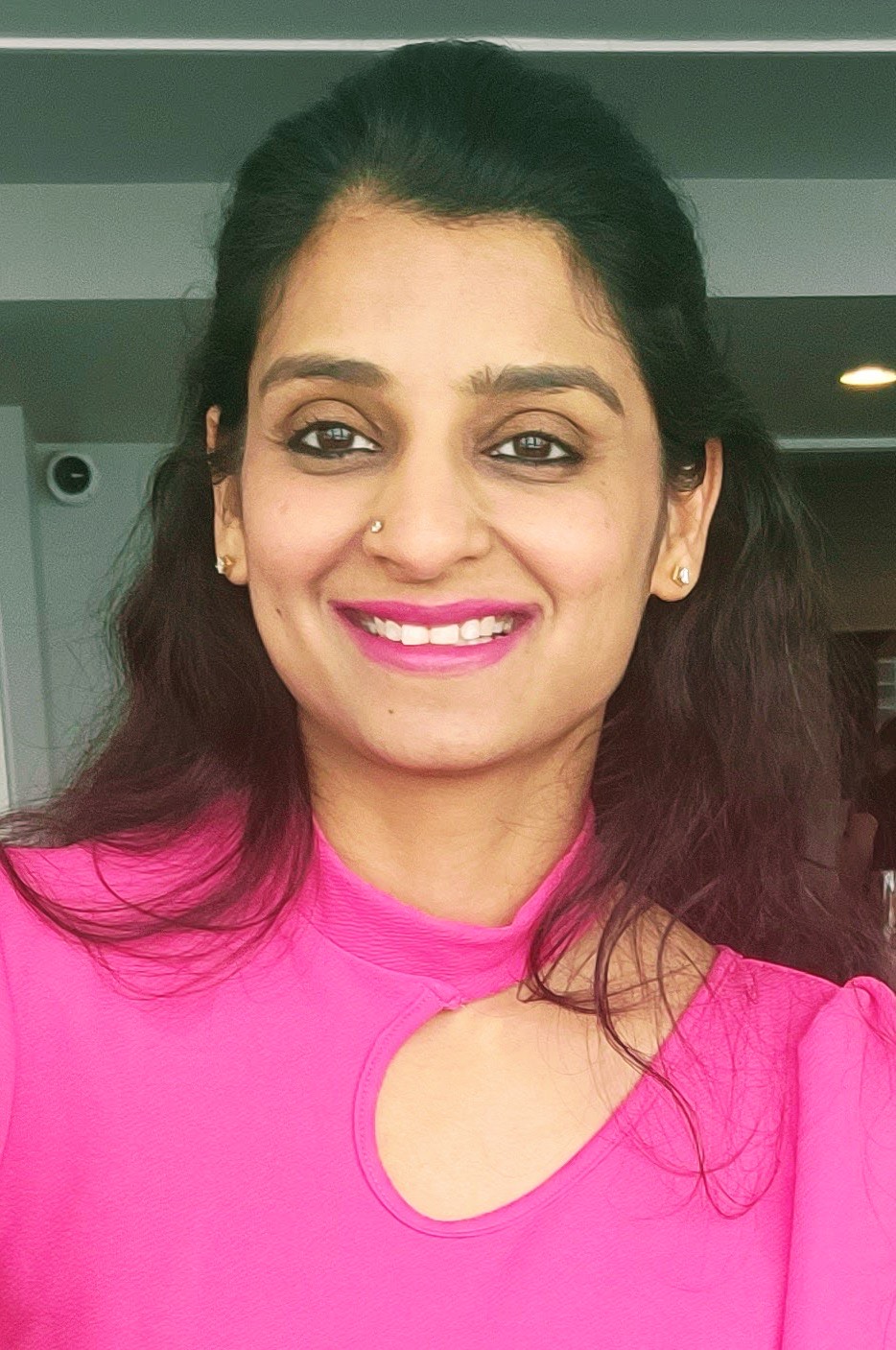
Speakers: Shuchi Rastogi
Overview: In today’s dynamic software development landscape, the pursuit of customer-centric, high-quality products is essential. This presentation delves into the art of aligning Shift-Left and Shift-Right testing strategies to ensure comprehensive and effective validation throughout the software development lifecycle.
Exploring real-world obstacles encountered by development team in traditional testing, prompting their transition to a modern approach.
This transition led to significant improvements in software quality, cost efficiency, and led to a more dependable product delivery. We discuss their adoption of critical Shift-Left strategies, such as early tester involvement, test automation, and code reviews.
However, a modern tester’s role extends beyond testing. To address issues like low user engagement and peak-hour performance degradation, Shift-Right testing becomes crucial. We delve into Shift-Right techniques, including feature flags, canary releases, and A/B testing, which enhanced user experience and system resilience.
This presentation emphasizes that Shift-Left and Shift-Right testing strategies are not in competition; they work in harmony to create a balanced testing approach. This equilibrium is vital for achieving software quality, cost reduction, and customer satisfaction. Attendees will gain insights on creating a holistic testing strategy that ensures their products not only meet but surpass customer expectations in the modern software development landscape in DevOps environment
Bio: Shuchi holds 15 years of software testing expertise, specializing in functional, web, mobile automation, API, and accessibility testing across healthcare and pharmacy sectors. She currently works at Electronic Arts (EA) as a Quality Designer. Proficient in building automation frameworks using Selenium, Appium, and Rest Assured, she excels in end-to-end testing for web, mobile, and APIs, bolstered by Agile methodologies.
Beyond her career, she actively contributes on LinkedIn and similar platforms, discussing software testing topics, sharing insights, and staying abreast of trends. This active participation enriches her understanding and fosters connections with like-minded professionals, creating a vibrant knowledge-sharing community within QA. She is also a Conference speaker and a community builder.
Skills & Strategy Track
Let an Improv Actor Fix Your Next Meeting

Speaker: Glenn Anderson
Overview: Another &$*!@# meeting! If meetings are the bane of your existence, transform them to a boon instead. Learn from the wisdom of an improvisational actor. Create a meeting culture where communication is open, and everyone wants to contribute. Stimulate fun and effective brainstorming by thinking like an improv actor – think and say, “Yes, And.” Go beyond having your team listen to simply respond and have them listen to understand. Learn to hold meetings filled with sharp, brilliant problem-solving ideas. Empower your team to achieve their goals, whether they are local, remote, or hybrid. Let’s fix your next meeting!
Attendees will learn how to:
- Speak spontaneously and answer questions effectively
- Utilize the laws of effective brainstorming
- Give and take, staying in the moment, listening to understand
- Develop trust among meeting participants
Bio: Glenn Anderson is a professional public speaker. Glenn helps teams and leaders solve their collaboration and communication problems.. His presentations and webinars combine decades of corporate experience and teaching with his passion for performing improvisational comedy. The result – your audience is energized and equipped to surpass their goals.
Glenn knows what it takes to capture attention in the business world. He enjoyed a long career with IBM – in sales, management, training and event speaking. He produced IT conferences and was a featured speaker for thousands of people.
As a graduate of Player’s Workshop of Second City and with his experience performing improvisational theater, Glenn excites your audience with teaching experience and improv techniques that energize communications and create a collaborative team environment.
Think globally, act locally – bugs reporting as a standardized company process

Speakers: Natalia Romańska
Overview: While speaking about quality – skipping bugs is not possible. We do our best to prevent this, yet sooner, or later – we will have issues with our application; this is as clear as day. But what should we do when, despite the best efforts, there are many production bugs – also reported weeks or months ago? Can we manage them effectively? How to deal with e.g. customer support issues when provided details left nothing more than to answer “it works on my machine”? Many of us have already faced such situations. One of the possible solutions might be introducing a standardized (among its core) bug reporting process. But don’t be scared, standardization really doesn’t have to change your organization into bureaucratic machine. In fact, quite the opposite – it can help you not only in addressing such issues but even more – in building QA visibility within your company.
Bio: Ex-accountant and QA with almost five years of experience. Likes having things balanced – both in private and professional life. Passionate about neatly designed processes, Friends, and the perfume industry.
SQUASHING THE IMPOSTOR SYNDROME: Culture, confidence, and your unlimited potential
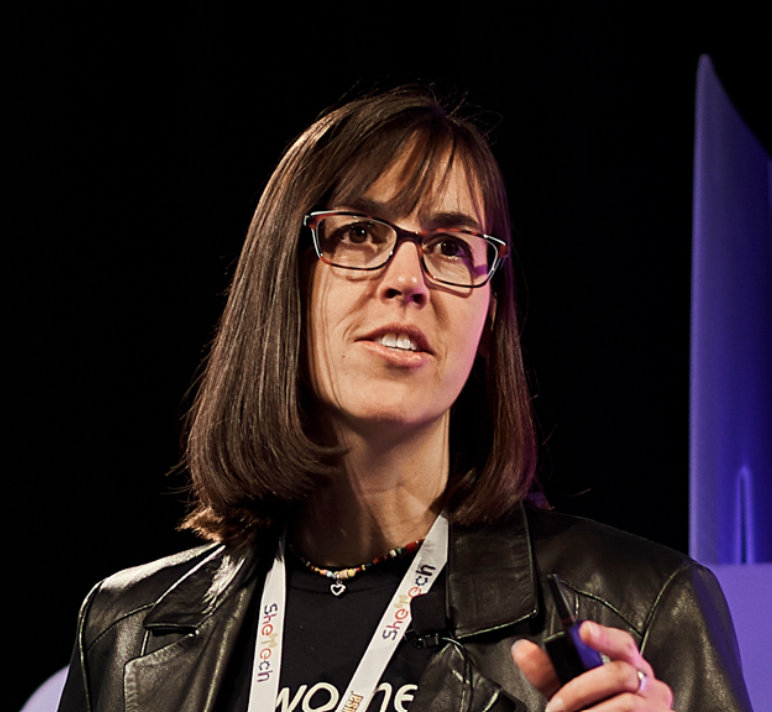
Speaker: Angela Trego
Overview: Have you ever felt like a fraud and that someone will find out that you don’t deserve to be at the table? Join the interactive session on the Imposter Syndrome to tackle the crippling feeling of fraudulence and unlock your true potential. Through personal anecdotes, interactive discussions, and practical tools, learn to silence the doubts and gain the confidence needed for success. Don’t let Impostor Syndrome hold you back any longer. Discover the keys to combatting and preventing its grip on your journey to achieving greatness. Take charge of your narrative and step confidently into your place at the table.
Bio: Dr. Angela Trego, PE, PMP, inspires, creates, and fosters confidence through her motivational speaking, coaching, and training, addressing imposter syndrome and soft-skills development. As a highly successful engineer, Angela held technical and senior leadership roles at Fortune 500 companies before focusing on her passion of empowering others. An award-winning teacher, Dr. Trego serves on several technical and non-profit executive boards. Angela’s technical background combined with leadership experiences from around the globe, gives her a unique insight into how you and your team can increase its potential. Discover more at www.angelatrego.com.
Lightning Talks
Facilitator: Bailey Hanna
Overview: Attendees of the TQ2024 Day 1 workshop, Conference Speaking – Where Do I Even Start?, will showcase their public speaking skills by presenting software testing-related lightning talks that were created during the workshop.
Speaker: Vishal Naik
Title: “When does Testing Begin??!!” :S
Overview: If you’re an aspirational software tester, or have read any ISTQB/CSTB books, you will come across various testing concepts. One of concepts is the seven principles in testing. One of the principles is “test early, test often”. The reason for this is to catch bugs / problems with the software earlier in the developmental process. In doing so, you save the organization (and yourself) a lot of time and money.
In this talk “When does testing begin??!!”, I will show how you can be proactive as a tester and take the initiative to start testing earlier on in the ‘SDLC’ process. By the end of this talk, you would have learnt some tools help you anticipate potential bugs before they come to fruition.
Bio: Vishal Naik is an experienced Software Quality Tester and Educator. He holds a Mechanical Engineering degree from the University of Waterloo and has worked in various domains within the IT industry in the testing field. Vishal has also completed a certificate in Data Analytics, Big Data, and Predictive Analytics at Toronto Metropolitan University. Outside of work, Vishal likes going to the gym, swimming, karaoke, and performing as Michael Jackson at weddings.
Speaker: Steve Ronson
Title: Can the MS Excel Offset function improve your testing utilities?
Overview: The Offset function can be intimidating, but it is easy to learn. I use it daily to help maintain test data, verify results, and power test reports. Let’s look at a couple of examples referencing a single cell or a range.
Soon, you’ll be coming up with your own ways to improve your utilities using the Offset function.
Agile teams and impact of using OKRs

Speaker: Umair Khan
Overview: Management and its obsession with numbers is an open secret and utilization of different reporting methods to understand teams’ progress is something most managers want to get better at with time. My talk reinforces how KPI & OKR synergy can transform a relatively new or forming team into a high performing one over time !!!
Bio: Umair Khan is an experienced professional and consultant helping teams achieve agility (Tech. and non tech.) by virtue of behavioral changes, adoption of outcome focused goals and training personnel for the right mindset. While he works closely with teams to drive operational impact, he engages with organizational leaders to understand the need for change and drivers that will bring about a long term impact. He also shares his insights and experience in his LinkedIn newsletter titled “Continuous Learning Mindset”.